Source Frozen Wild Giant Squid Tail for Sushi, Grilling, and Catering
Compare 30 listings for frozen wild giant squid tail sourced from Fujian, China. Options include IQF processing, HACCP certification, and customizable packaging for bulk seafood procurement. Buyers can evaluate weight specifications, ice percent variations, and shelf life details to ensure quality for commercial kitchens and food service operations.
Key considerations
Products List


Comprehensive Sourcing Guide
Frozen Wild Giant Squid Tail Sourcing Guide
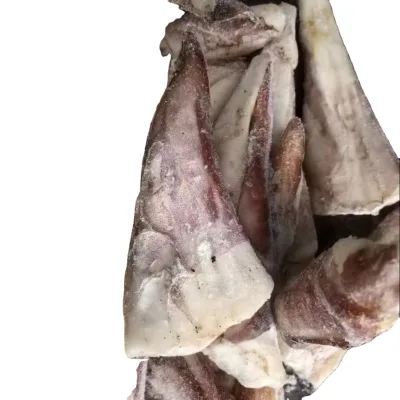
Procuring frozen wild giant squid tails requires strict adherence to specific biological and processing standards to ensure product integrity. The primary raw material is identified as Dosidicus Gigas, sourced directly from wild aquatic environments rather than aquaculture. Buyers must verify that the product is processed with the skin on and subjected to a seafrozen method immediately after harvest to preserve texture and flavor. This specific processing approach, combined with IQF (Individual Quick Freezing) technology, is critical for maintaining the structural integrity of the tail during transport and storage.
The product is typically categorized under aquatic products and cephalopods, with a specific focus on the tail section which often measures 13cm or larger. Storage conditions are non-negotiable, requiring a consistent temperature below -18C to maintain the 18-month shelf life observed in listings. Buyers should note that the product is often sold in customizable packaging formats, ranging from 10kg boxes to 20kg bags, with ice percent levels that can be adjusted to meet specific logistical or culinary requirements.
Product Scope and Observed Listing Signals
Market listings for this commodity display a wide variance in pricing and minimum order quantities, reflecting the diversity of supplier capabilities. Observed price points range significantly from $1.60 to $5000, while MOQs can vary from single items up to 15,000 units, often dictated by container load configurations like the 1*20FCL standard. This disparity suggests that buyers must carefully align their volume needs with supplier capacity, as some vendors may cater to small trial orders while others operate strictly on bulk container shipments.
Product specifications in listings often highlight the scientific name Dosidicus Gigas and indicate a wild resource origin, which is a key differentiator for premium seafood buyers. The observed model numbers and weight specifications, such as 500g+ per piece or 30-50g per piece, indicate that the market offers various size grades to suit different culinary applications. Buyers should verify that the listed "giant squid tail" matches the specific size grade required for their production line, as the distinction between single items and bulk cartons can significantly impact unit economics.
Technical Specifications to Verify
Verification of the freezing process is paramount, as the industry standard for high-quality squid tails involves IQF technology to prevent clumping and ensure rapid thawing. The product must be stored in a frozen state with a shelf life of at least 12 months, though some listings specify an 18-month duration under optimal conditions. Buyers should confirm that the freezing process aligns with the seafrozen claim, ensuring that the product was frozen at sea to lock in freshness before being transported to the processing facility in Fujian, China.
Packaging and weight specifications require precise validation to avoid discrepancies in inventory management and cost calculations. Listings indicate packaging options such as master cartons, bags, or boxes, with standard weights often cited as 10kg or 20kg per unit. The net weight is frequently declared as 100% N.W., but the ice percent is noted as customizable, meaning buyers must explicitly define the glazing percentage to ensure the final delivered weight matches the contract. Additionally, the model number and size specifications, such as U3, U5, or U7, must be cross-referenced with the physical product to ensure consistency.
Compliance and Safety Documentation
Regulatory compliance is a critical component of sourcing frozen seafood from China, with HACCP certification appearing as a standard requirement for reputable suppliers. Many listings also reference BRC and FDA certifications, indicating that the manufacturer adheres to international food safety management systems. Buyers must request current, valid certificates for these standards before finalizing any purchase, as the presence of these documents is essential for importing into regulated markets like the United States or the European Union.
Beyond general certifications, specific documentation regarding the product's origin and processing criteria must be scrutinized. The place of origin is consistently listed as Fujian, China, and the raw material is confirmed as wild-caught giant squid. Buyers should verify that the processing criterion is customizable and documented, ensuring that the specific handling methods, such as skin-on preparation, meet the safety protocols of the destination country. This documentation serves as the primary evidence of traceability and safety compliance throughout the supply chain.
Cost Drivers and Commercial Terms
The commercial structure for frozen giant squid tails is heavily influenced by container load requirements and packaging customization. A common minimum order quantity is observed as 1*20FCL, which can represent a significant capital outlay for new buyers. However, some suppliers offer lower MOQs starting at single items, allowing for market testing. Buyers must calculate the total landed cost by factoring in the customizable ice percent, as higher ice content increases the gross weight and shipping costs without adding product value.
Pricing volatility is a known factor in the seafood market, with observed ranges suggesting that unit costs can fluctuate based on seasonality and supply chain dynamics. The selling units are often listed as single items, but the actual transaction typically occurs in bulk cartons or bags. Buyers should negotiate terms that account for the 100% net weight declaration and the specific packaging type, whether it be a box, bag, or master carton. Understanding these variables is essential for accurate budgeting and preventing unexpected cost overruns during the procurement process.
Supplier Qualification and Quality Control
Supplier qualification should begin with a thorough review of the manufacturer's profile, noting that "Beautiful" is a brand name associated with some listings, though customization is widely available. Buyers must verify the manufacturer's location in Fujian, China, and assess their capacity to handle the specific processing technology required, such as machine washing and handwork. The ability to customize the product, including the freezing process and packaging, is a key indicator of a supplier's flexibility and operational maturity.
Quality control protocols must be explicitly defined in the purchase agreement, particularly regarding the thawing instructions and storage requirements. The product instruction for use mandates thawing before cooking, a step that can significantly affect the final texture if not performed correctly. Buyers should implement a quality control plan that includes random sampling of the 10kg or 20kg units to verify the weight, size, and ice percent. Ensuring that the supplier can consistently meet the 13cm+ specification and the 18-month shelf life claim is vital for maintaining brand reputation.
Long-Term Procurement Checks
Establishing a long-term relationship with a supplier requires ongoing monitoring of the product's shelf life and storage stability. The observed shelf life of 18 months provides a buffer for inventory management, but buyers must ensure that the cold chain remains unbroken from the Fujian facility to the final destination. Regular audits of the supplier's storage facilities and freezing processes are necessary to confirm that the -18C requirement is consistently maintained, preventing quality degradation over time.
Continuous verification of certifications and compliance standards is essential for maintaining market access and consumer trust. As regulations evolve, suppliers must demonstrate their ability to renew HACCP, BRC, and FDA certifications without interruption. Buyers should also monitor the availability of the wild Dosidicus Gigas resource, as fluctuations in the catch can impact supply consistency. By maintaining a proactive approach to supplier qualification and quality checks, buyers can mitigate risks and ensure a steady supply of high-quality frozen giant squid tails.
FAQs
What is the scientific name of frozen wild giant squid tail?
The scientific name is Dosidicus Gigas. This species is classified as a cephalopod and aquatic product. It is sourced from wild resources in the sea. The product is processed using machine washing and handwork techniques. It is typically sold as a single item with customizable specifications for B2B buyers.
How should frozen giant squid tail be stored and handled?
It must be stored frozen under -18C to maintain quality. The shelf life is 18 months when kept in this storage type. Buyers should thaw the product before cooking for preparation. The raw material is giant squid, and the processing ensures it remains nutritious and organic. Proper freezing preserves the nature of the seafood product effectively.
What certifications are available for this frozen squid product?
The product holds HACCP, FDA, and BRC certifications. These credentials ensure safety and quality standards for international trade. The manufacturer, Beautiful, adheres to these strict criteria. Buyers can verify these documents to confirm compliance. The certifications support the product's suitability for global markets and regulatory requirements.
What are the packaging and weight specifications for this item?
The product is packed in boxes, bags, or master cartons. Each bag typically weighs 20kg, while cartons may contain 10kg. The net weight is 100% N.W. Packaging options are customizable to meet buyer needs. The ice percent is also adjustable. This flexibility allows for efficient logistics and storage for large orders.
What is the minimum order quantity for this squid tail?
The MOQ is 1*20FCL, which equals 18 metric tons. This quantity is required for standard orders. Buyers must meet this threshold to initiate procurement. The selling unit is a single item, but bulk packaging applies. This MOQ ensures efficient shipping and handling for international suppliers in Fujian, China.
Where is the origin of this frozen giant squid tail?
The place of origin is Fujian, China. The producing area is designated as seafood. The address is listed as Fujian, China. This location is known for aquatic product processing. Buyers sourcing from this region benefit from established supply chains and specialized manufacturing capabilities for frozen seafood items.
Can the specifications of the squid tail be customized?
Yes, customization is available for various product attributes. Specifications such as size, ice percent, and processing criteria can be tailored. The model number may vary, such as 0307 or specific weights. Buyers can request custom packaging or processing methods. This flexibility allows for precise alignment with specific B2B procurement requirements.